September 22, 2026
Asphalt pavement is a durable and cost-effective solution for roads, driveways, and parking lots. However, to ensure its longevity and performance, quality asphalt services are essential. This article delves into the key facets of maintaining and enhancing your pavement through professional asphalt services.
Understanding Asphalt Materials and Benefits
What is Asphalt?
Asphalt is a composite material commonly used to surface roads, parking lots, and driveways. It consists primarily of mineral aggregates such as sand, gravel, and crushed rock, bound together by an asphalt binder, also known as bitumen. This binder is a byproduct of petroleum refining and gives the asphalt its characteristic black color. The material's inherent flexibility and robustness make it ideal for withstanding varying traffic loads. Its composition and ability to support heavy loads lend itself to being a preferred paving material worldwide.
Benefits of Using Asphalt
One of the primary benefits of asphalt is its cost-effectiveness relative to other paving options like concrete. The initial installation is usually less expensive, and the material provides an aesthetically pleasing finish thanks to its smooth surface. Moreover, asphalt is relatively quick to install, reducing disruption time on busy roadways. Another critical advantage is asphalt's ability to withstand harsh weather conditions, from freezing winters to hot summers, without substantial degradation. According to Bob Vila, most asphalt driveways last around 20 years, making it a durable choice for long-term paving solutions.
Types of Asphalt Mixes
There are various types of asphalt mixes designed for different applications and environments. Hot mix asphalt (HMA) is the most common type, used for its durability and flexibility. Warm mix asphalt (WMA) serves a similar function with the added advantage of being produced at lower temperatures, which reduces energy consumption and emissions. Cold mix asphalt is useful for patching and minor repairs due to its pliability and ease of use at ambient temperatures. Different mixes can be enhanced with additives to improve performance characteristics like resistance to cracks and deformation. Understanding these mixes is crucial to selecting the right type for specific project requirements.
Choosing Quality Asphalt Services
Identifying Quality Service Providers
Choosing a quality asphalt service provider is crucial to ensuring that your pavement investment stands the test of time. Experienced companies usually provide warranties and assurances about the quality of their work. It is essential to check past project outcomes and customer testimonials to gauge reliability. Companies with a robust portfolio and a reputation for excellence in service tend to be more dependable. A commitment to customer satisfaction and the adoption of state-of-the-art technologies are often markers of a competent service provider.
The Role of Certification and Training
Professional certifications often denote a high level of expertise and commitment to ongoing education in asphalt services. Industry certifications highlight a provider's adherence to industry standards and best practices. These credentials ensure that personnel are knowledgeable about modern techniques and regulatory norms. Regular training updates keep service providers abreast of emerging materials and technologies, improving service quality. Choosing a certified provider minimizes risks associated with substandard installation methods, which can otherwise lead to premature pavement failure.
Long-term Cost Savings
Investing in quality asphalt services ensures long-term savings by reducing the need for frequent repairs and maintenance. Proper installation and choice of materials significantly extend the lifespan of asphalt surfaces, saving on future refurbishment costs. High-quality service providers focus on precision and thorough preparation, factors that contribute to avoiding costly problems like premature cracking. Moreover, the use of advanced materials and techniques lowers future repair costs and prevents potential issues from arising.
Ensuring Regulatory Compliance
Compliance with local and federal regulations is non-negotiable when it comes to asphalt paving. Quality asphalt services include ensuring that all work complies with zoning laws, environmental guidelines, and construction norms. Experienced providers are well-versed in navigating the complex landscape of regulatory requirements. Failing to adhere to these can result in fines, project delays, and potential legal challenges. Hence, a knowledgeable service provider adds value by offering hassle-free compliance as part of their service package.
Preparing Your Site for Asphalt Application
Site Evaluation and Inspection
Proper site evaluation and inspection create the foundation of successful asphalt application. This involves extensive assessment of the existing conditions, including soil composition and drainage capabilities. Soil conditions can greatly influence the choice of asphalt mix and the required thickness for optimal performance. Furthermore, a site evaluation can identify any pre-existing issues, such as underground utilities, which may interfere with the project. Corrective measures can then be implemented to ensure that the site is ready for asphalt application.
Subgrade Preparation
The subgrade forms the base upon which the entire asphalt structure rests, and its proper preparation is crucial. A stable, compacted subgrade provides the necessary support to the upper layers of asphalt, ensuring longevity and durability. This might involve grading, adding sub-base materials, and compacting the soil to achieve desired density and stability. Poorly prepared subgrades can lead to serious problems, like settling and cracking of the asphalt surface, which can compromise the pavement's lifespan. Professional asphalt services thoroughly address subgrade issues to build a strong foundation for the project.
Drainage and Water Management
Efficient drainage and water management systems are critical components in the design of asphalt surfaces. Proper drainage prevents water from pooling on the surface, thereby reducing damage from freezing and thawing cycles common in colder climates. Implementing features like slope angles, curbs, and drains ensures that water is directed away from the pavement, prolonging its life. Without effective drainage, water can seep into the asphalt layers and undermine the foundation, leading to premature failure. As a result, quality asphalt services prioritize comprehensive water management solutions during project planning and execution.
Sealing Existing Cracks and Imperfections
Before laying new asphalt, existing cracks and surface imperfections must be addressed to prevent them from worsening. Using appropriate sealants and fillers is crucial to create a smooth, uniform surface primed for new asphalt application. This not only improves the aesthetic appearance of the area but also helps protect the subgrade from water infiltration. Overlooking these preliminary steps can lead to a compromised final product, resulting in costly repairs down the line. Expert asphalt services utilize the best materials and technologies to ensure all imperfections are effectively sealed, setting the stage for a successful installation.
Understanding the Steps in Professional Asphalt Installation
Site Setup and Equipment
An organized site setup and the use of modern equipment are fundamental to achieving quality asphalt installations. Efficient site setup involves preparing the layout, marking areas, and deploying necessary tools and machinery. Modern machinery, such as pavers and rollers, ensures precision and enhances the quality of the finished product. Using the right equipment minimizes waste and optimizes material application, leading to more durable results. Professional service providers bring expertise in managing this phase, ensuring a seamless transition from planning to execution.
Paving Techniques and Application
Paving techniques have evolved significantly, utilizing advanced technologies to enhance quality and efficiency. Precision in placement and layering is essential to achieving even distributions that ensure durability. Experienced crews employ methods such as staggered joints and butt joints to minimize cracking and maximize structural integrity. Techniques are tailored to suit the specific climate and intended use of the pavement. The correct application creates a surface that is not only aesthetically pleasing but also able to withstand varying loads and weather conditions.
Compaction Process
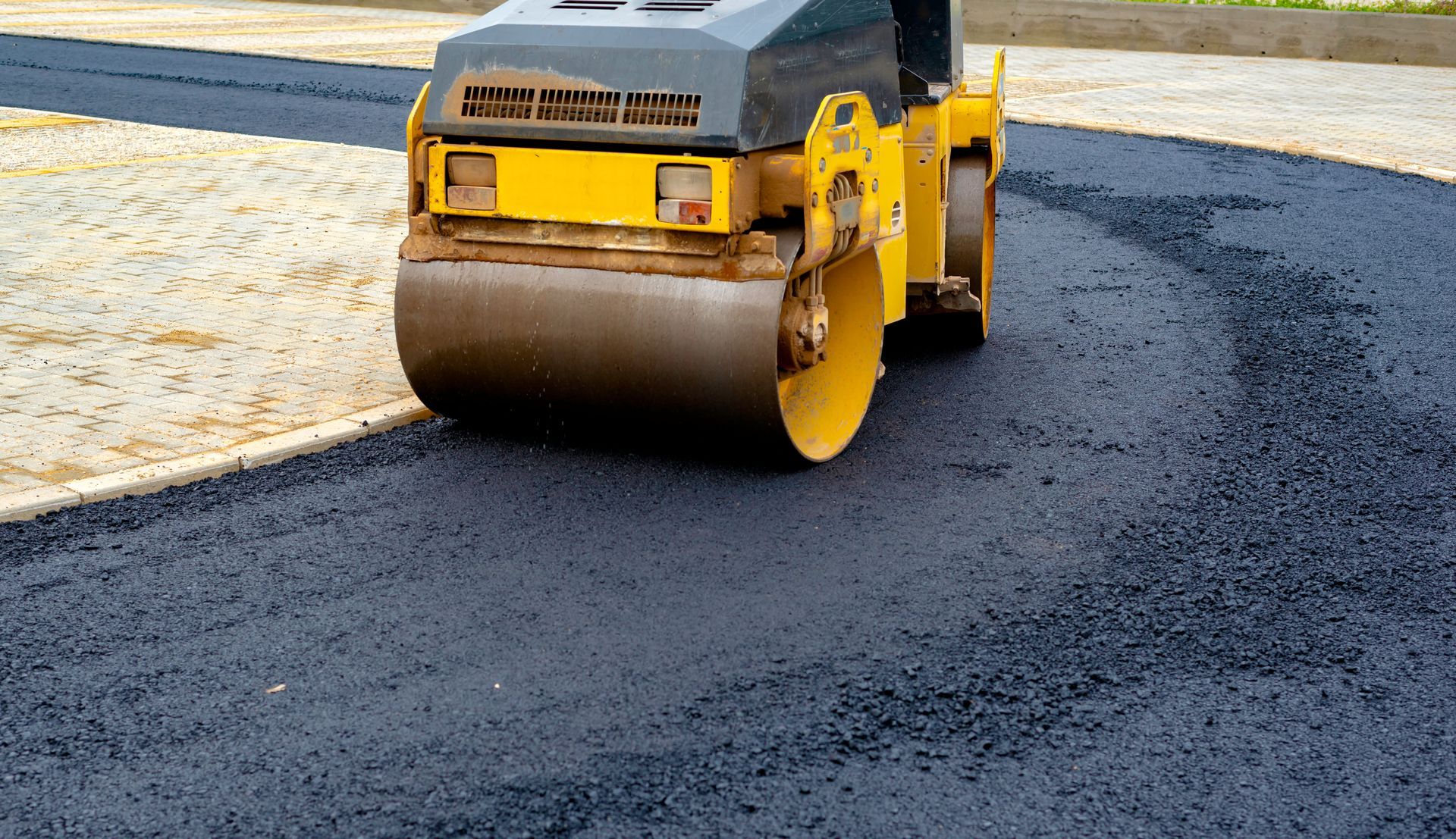
Compaction is a critical stage in laying down asphalt to ensure a stable, long-lasting surface. This process involves compressing the asphalt layers to achieve desired density and remove air voids. Proper compaction affects the asphalt's resistance to deformities such as rutting and cracking. Failure to compact adequately can lead to the premature deterioration of the pavement. High-quality service providers use advanced rollers and other equipment to ensure thorough and even compaction.
Investing in quality asphalt service not only enhances the aesthetic and functional value of your pavements but also prolongs their lifespan. From selecting the right materials and providers to implementing regular maintenance and embracing future innovations, protecting your pavement with professional asphalt services is a wise and sustainable decision. Contact KCC Construction, LLC today to schedule a service!